What a city looks like without parking spaces
Three years ago, Linden Street lost its 140 parking spaces. Shop owners feared the worst. Here is what happened instead.
On the morning the parking meters came down, Hanna Weiss stood in the doorway of her hardware shop and counted cars. There were none. There were, she remembers, a lot of pigeons and one confused delivery van. "I thought: that's it, we're finished," she says. "Thirty-one years, and the council finishes us with a sign."
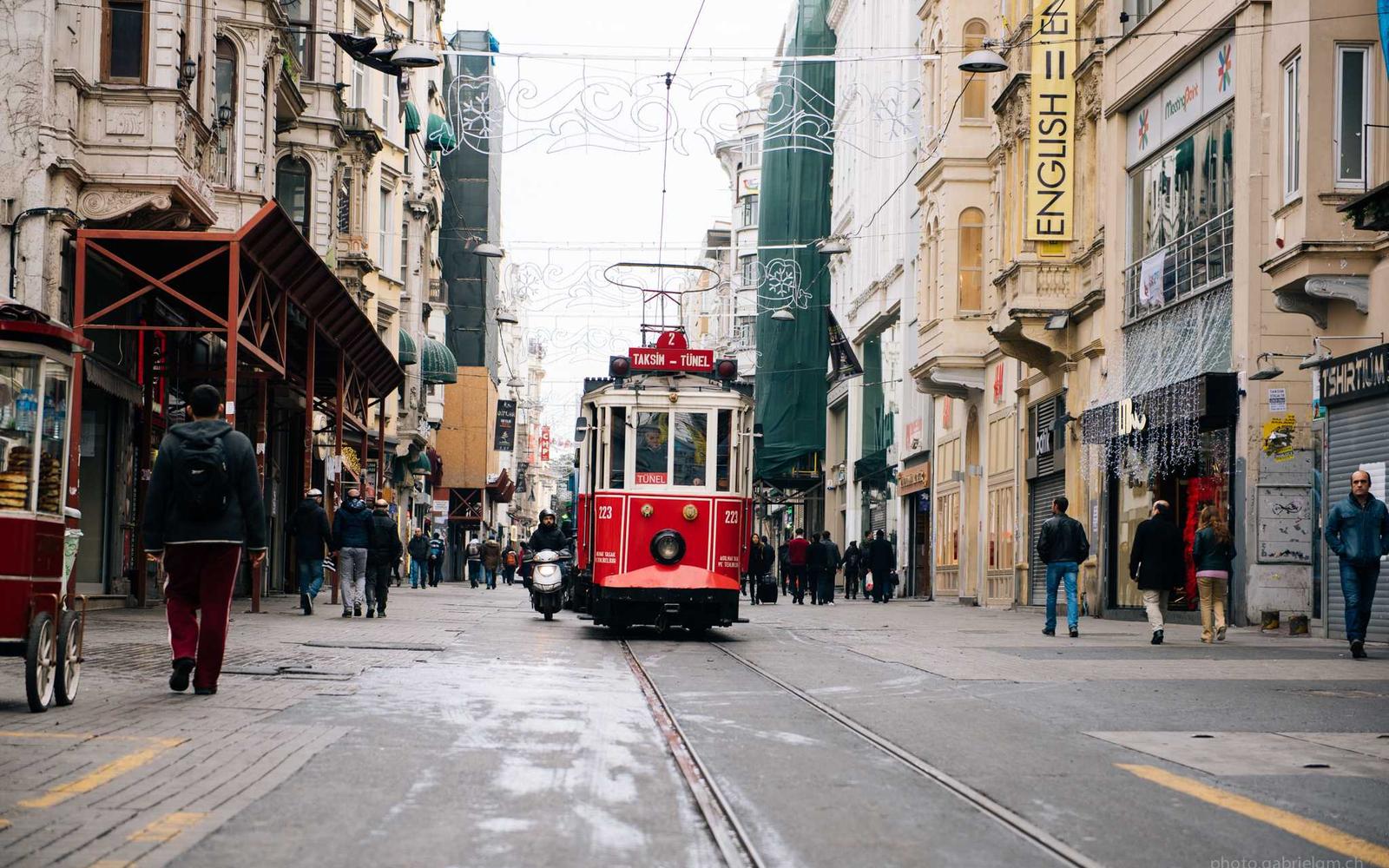
That was three years ago. The shop is still there. So are the pigeons. What changed is almost everything else on Linden Street, a 600-metre stretch of shops, cafés and flats above them that became the city's first street to give up its parking entirely.
We spent four weeks on the street, talking to shop owners, residents, delivery drivers and the people who simply pass through, to find out what a street without parked cars is actually like to live and work on.
___STEADY_PAYWALL___
The fear: nobody will come
Before the change, the street's business association collected 2,300 signatures against it. The argument was simple: customers drive, customers park, customers buy. Take away the parking and you take away the customers.
The numbers told a different story, but nobody had looked at them closely. A survey the city ran before the change found that only one in eight visitors to Linden Street arrived by car. Shop owners, asked to guess, said it was more than half.
"We were all sure our customers drove. Then someone counted, and it turned out most of them were walking past our window anyway."
That gap between what people believe and how people move turned out to be the most important number in the whole debate. It's also a pattern researchers have found in city after city.
What filled the space
A parking space is about twelve square metres. Linden Street had 140 of them, which adds up to roughly the size of a football pitch, laid out in a thin strip along the kerb.
Some of it went to wider pavements. Some went to the tram stop, which used to be a painted line in the road and is now a proper platform with a roof. About a third went to things nobody planned for: café tables, bike racks, three trees in large planters, and a bench outside the bakery that has become an unofficial meeting point for the street's older residents.
- Pavement: on average 2.4 metres wider on both sides
- Bike parking: from 20 spaces to 210, still full most days
- Loading zones: six, each limited to 20 minutes
The shops, three years on
Hanna's turnover dropped in the first six months. Then it came back and kept going. She now sells more small items and fewer heavy ones, and she started a delivery service with a cargo bike for anything over ten kilos. "People pop in more often," she says. "They used to come once a month with the car. Now they come on the way home."
Not everyone is happy. The furniture shop at the corner moved to an industrial estate on the edge of town, where its customers can load sofas into vans. And deliveries are still a daily negotiation between drivers, cyclists and the café tables.
What other streets can learn
The lesson from Linden Street is not that every street should lose its parking. It's that the decision should start with counting. Who actually comes to this street, how, and how often? On Linden Street, the answer surprised almost everyone, including the people who had worked there for decades.
Tomás Novak writes about how the city moves. He walked to every interview for this piece.